How I got here
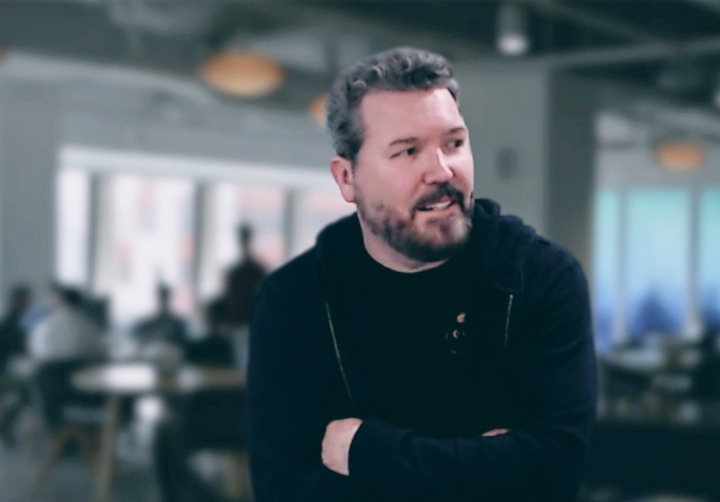
17+ years designing, coding, and delivering products. Started as a self-taught front-end developer hand-coding HTML and CSS in whatever the platform spoke that year. Ran my own web agency for nine years with full P&L — scoping, estimation, technical architecture, sprint management, QA, launch, optimization — hundreds of products from pitch to production. The product-management instinct was baked in long before the title showed up on a resume.
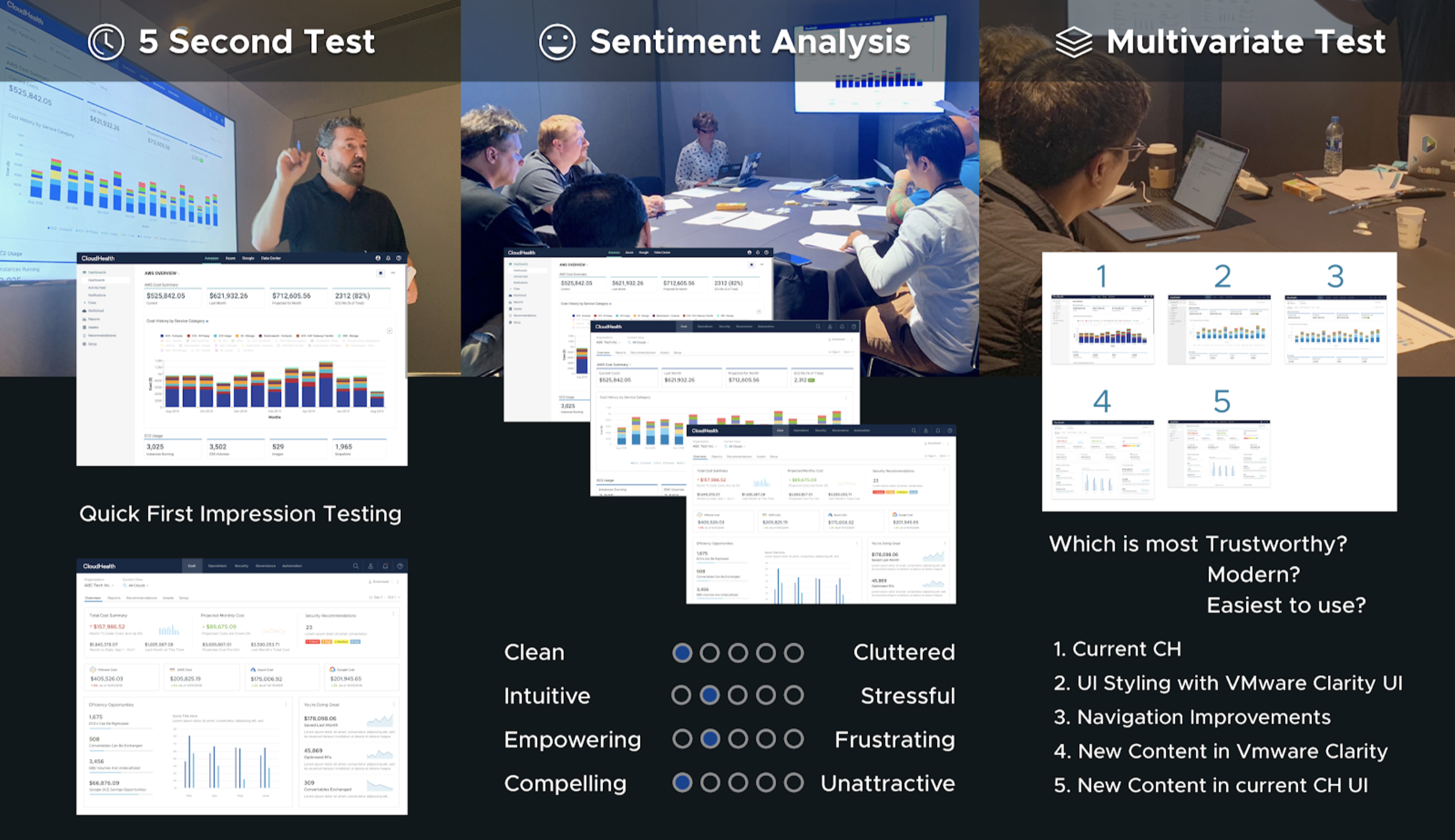
Then 12+ years at enterprise software companies — EBSCO, CloudHealth, VMware, AWS — each one teaching the same lesson: the systems underneath the product (the design system, the research repository, the spec layer) are what determine whether the product scales. I've created design systems at every company I've worked at. Grail at EBSCO. Elevate at VMware. An AI-Ready Design System for agent surfaces at AWS. Three platforms; same insistence that the floor belongs to the system.
The last three years have been a step-change. AI co-piloting, design systems, and production tooling have automated the mechanism of design so thoroughly that the practice now spans the whole lifecycle — vision, spec, design, pair-code, dev handoff, and (increasingly) production. What used to be a quarter is now a sprint. What used to be a sprint is now a day. The leverage compounds because every agent shipped makes the next one faster — and because the model is backed by a real repository of project data, not by AI making things up.
Three rules underneath all of it:
- AI as accelerator, not author.
- Real data over guessed data.
- Always shipping; never spectating.
The same person who hand-coded a stylesheet in 2009 is writing vision docs, pair-coding with Kiro, and shipping production Quick Skills today. Same insistence on craft. Much more leverage.
The work
Amazon Web Services (AWS) — Senior Product Leader, GenAI / AI & ML, Amazon Web Services (AWS)
Four-plus years at AWS. Today I lead AWS Meeting Intelligence AI — a GenAI product that automates manual meeting work for sellers — and help drive AI-powered sales automation across AWS's global sales organization, with governance built in. The job is product end to end — matching the right model to each workflow, defining success metrics up front, and driving adoption and engagement once it ships. Before that, I led the experience for Autonomous Sales & AI Automation — an AI-driven system that runs multi-step seller outreach at global scale, where Sales Acceptance nearly doubled. That work spanned the full stack of the practice: vision docs that ship, living product-vision systems, a research app that synthesizes pilot feedback in minutes, an AI-Ready Design System, and a learning platform that helps the AWS org onboard to AI pair-coding.
Before AWS: senior UX leadership at VMware, CloudHealth, and EBSCO — design systems, accessibility programs, multi-language platforms. Plus nine years running my own web agency, hundreds of products from pitch to production.
The body of work compounds. Selected projects →
Recognition
A couple of nods from inside Amazon I'm grateful for.
Original North American Amazon AI Mentor
Selected as one of the founding cohort of internal AI mentors at Amazon. The program supports teams across hundreds of internal tools and products — helping them find the right places to apply AI, surface the best ways to use Amazon's AI tools and LLMs to solve genuinely hard tasks, and ship the automations that make employees and partners measurably more efficient through AI.
The thread across the mentorship work is the same thread across my own: automate the parts that don't deserve a human in the chair — and keep the human firmly in the loop for the parts that do.
Multiple AWSome Awards
Recognized by team members and internal partners with multiple AWSome Awards for innovation and thinking big — across the body of work in autonomous sales, AI-Ready Design Systems, agentic workflows, and the spec-driven design practice the team ships from.
The awards I value most are the ones that came from the people on the other side of the cross-functional table — partners and engineers calling out the work, not just designers.
What I'm thinking about right now
A short list of the questions I keep coming back to. Some of these become Medium posts; some become projects; some just keep the work honest.
AI-Ready Design Systems
What changes when a design system has two consumers — humans and agents — instead of one.
Human-in-the-loop UX
Where to place the human in an autonomous workflow. Different placements turn the same agent into different products.
Spec-driven design
Treating requirements.md → design.md → tasks.md as the canonical source, not the Figma file.
Trigger-led navigation
Specific & unique trigger phrases as the new affordance. Post-traditional information architecture.
Outside the work
Boston-area lifer. Long-time Celtics fan, occasional design writer, fast typer with creative spelling. I write Well Crafted AI, a weekly newsletter where I think out loud about agent UX and building AI products. Find me on Substack, LinkedIn, or X.